
Every student budget needs a line for fun. Without one, fun happens anyway and quietly eats the rent. With one, you can say yes to the concert, the road trip or the casino night with friends without a nagging feeling that you cannot afford it. Here is how to build that line, and how to make it stretch further, using the same maths casinos use.

Start with 50/30/20
The 50/30/20 rule, popularised by Elizabeth Warren and Amelia Warren Tyagi in their 2005 book All Your Worth, splits after-tax income into three parts: about 50 percent for needs, 30 percent for wants and 20 percent for savings and debt repayment. Student income is often too tight for those exact shares, and loan money should go on needs, not wants. But the idea of a fixed "wants" share is gold. Decide it once a month, keep it in a separate account or a prepaid card, and when it is gone, it is gone.
What does fun actually cost per hour?
A useful trick is to compare entertainment by cost per hour. A $60 concert lasting three hours costs $20 an hour. A $15 film costs about $7 an hour. Casino games can be compared the same way using their house edge (see house edge explained):
| Game | Bet and pace | House edge | Expected cost per hour |
|---|---|---|---|
| Blackjack, good basic strategy | $10 × 70 hands | 0.5% | about $3.50 |
| Blackjack, typical mistakes | $10 × 70 hands | 2% | about $14 |
| Craps, pass line | $10 × 30 decisions | 1.41% | about $4 |
| Baccarat, banker | $10 × 70 hands | 1.06% | about $7.50 |
| American roulette | $10 × 40 spins | 5.26% | about $21 |
| Slot machine | $1 × 600 spins | 8% (assumed) | about $48 |
These are averages. On any one night you could win or lose much more, which is exactly why the budget matters. But the table shows something most people never realise: a slow table game with a low edge can cost less per hour than a night at the bar, while fast slots can burn through a budget at an alarming rate.
Casino night on campus
Many student societies run casino nights for fundraising or freshers' week, with roulette, blackjack and poker tables staffed by volunteers. These are usually played with play money, with prizes donated by sponsors, because real-money gaming on campus is generally against university rules and state law. They are a great, cheap way to learn the games and test the maths in the table above before you ever play for real.
Planning a Vegas spring break
Las Vegas is a classic spring break destination for students who have turned 21, the minimum age to gamble or even linger on a Nevada casino floor. It does not have to be ruinously expensive if you plan:
- Hotel: check the resort fee, a mandatory nightly charge on top of the room rate at most Strip hotels that can add a lot to a cheap deal. Split a room and compare total prices, not headline rates.
- Getting around: walk the Strip and use the bus or monorail rather than taxis for every hop.
- Food: buffets and celebrity restaurants add up fast; eat one big meal a day and keep snacks in the room.
- Tables: minimum bets on the Strip are often $15 to $25 or more in busy periods; downtown around Fremont Street usually has cheaper tables.
- Shows and pools: look for same-day discount booths and free attractions such as the Bellagio fountains.
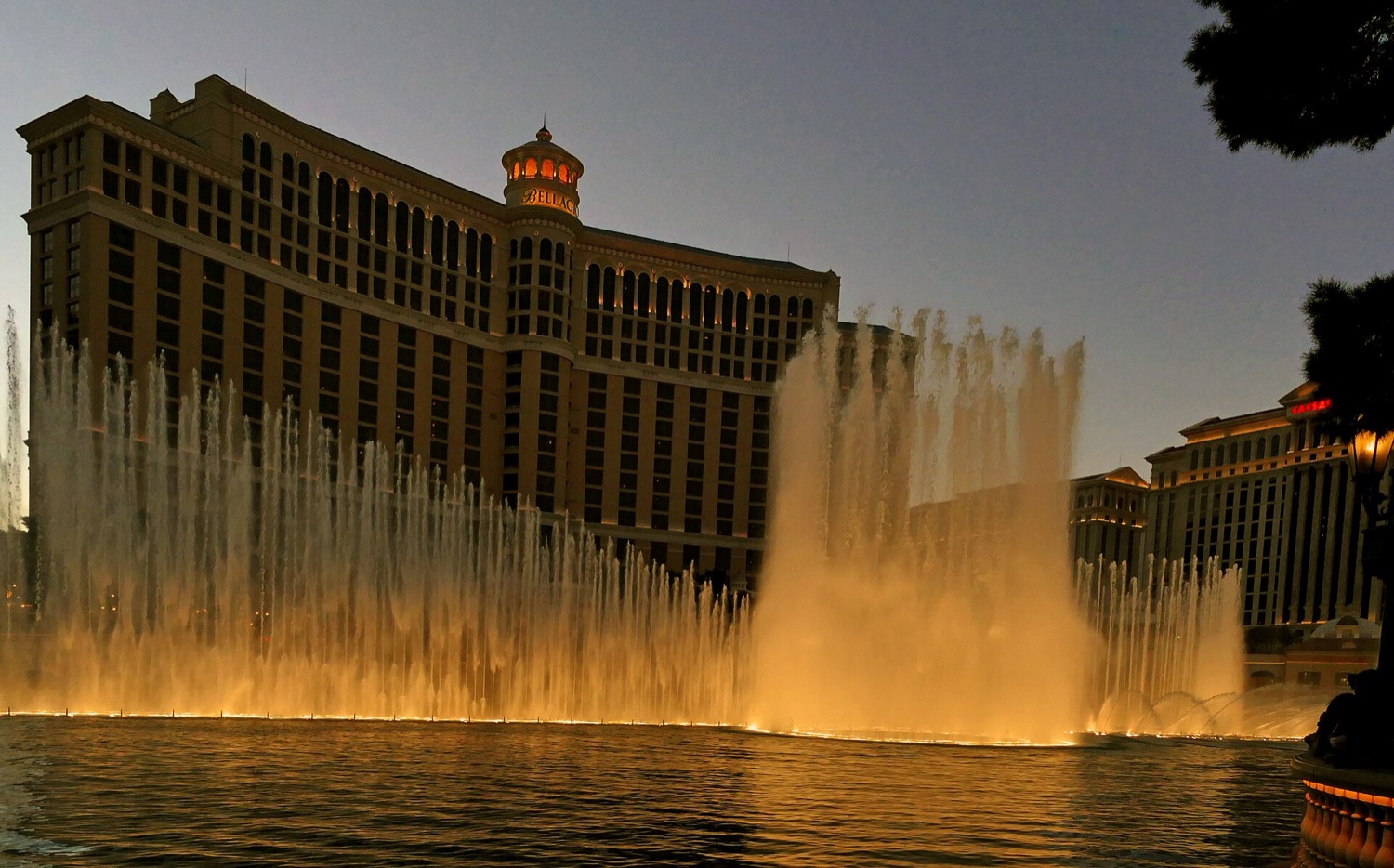
A simple gambling budget that works
- Decide the total before you leave home, as part of the fun money for the trip, and never top it up from rent, loans or a credit card.
- Split it into sessions. If you have $150 for three nights, that is $50 a night. Leave the rest in the hotel safe.
- Pick low-edge games and learn basic strategy if you play blackjack. A free strategy chart can halve or better what an hour costs you.
- Bet small relative to the session. Twenty to forty bets per session bankroll gives you a long, enjoyable evening.
- Set a win goal too. If you double your session money, pocket the original amount and play only with the profit.
- Track it. Write down what you started and finished with each night. Numbers you have written down are hard to argue with.
The aim is not to beat the casino, which the maths says you will not do over time. It is to buy a fixed amount of fun at a price you chose in advance. For the rest of your money, from phone bills to long-term saving, see our Finance section.