
Some of the most valuable ideas in modern finance and data science began at the card table. Probability theory itself was born in the 17th century when Blaise Pascal and Pierre de Fermat exchanged letters about a gambling problem. Three centuries later, a mathematician who beat blackjack helped invent quantitative investing. If you enjoy the maths in our Casino Math section, there are well-paid careers built on exactly those skills.
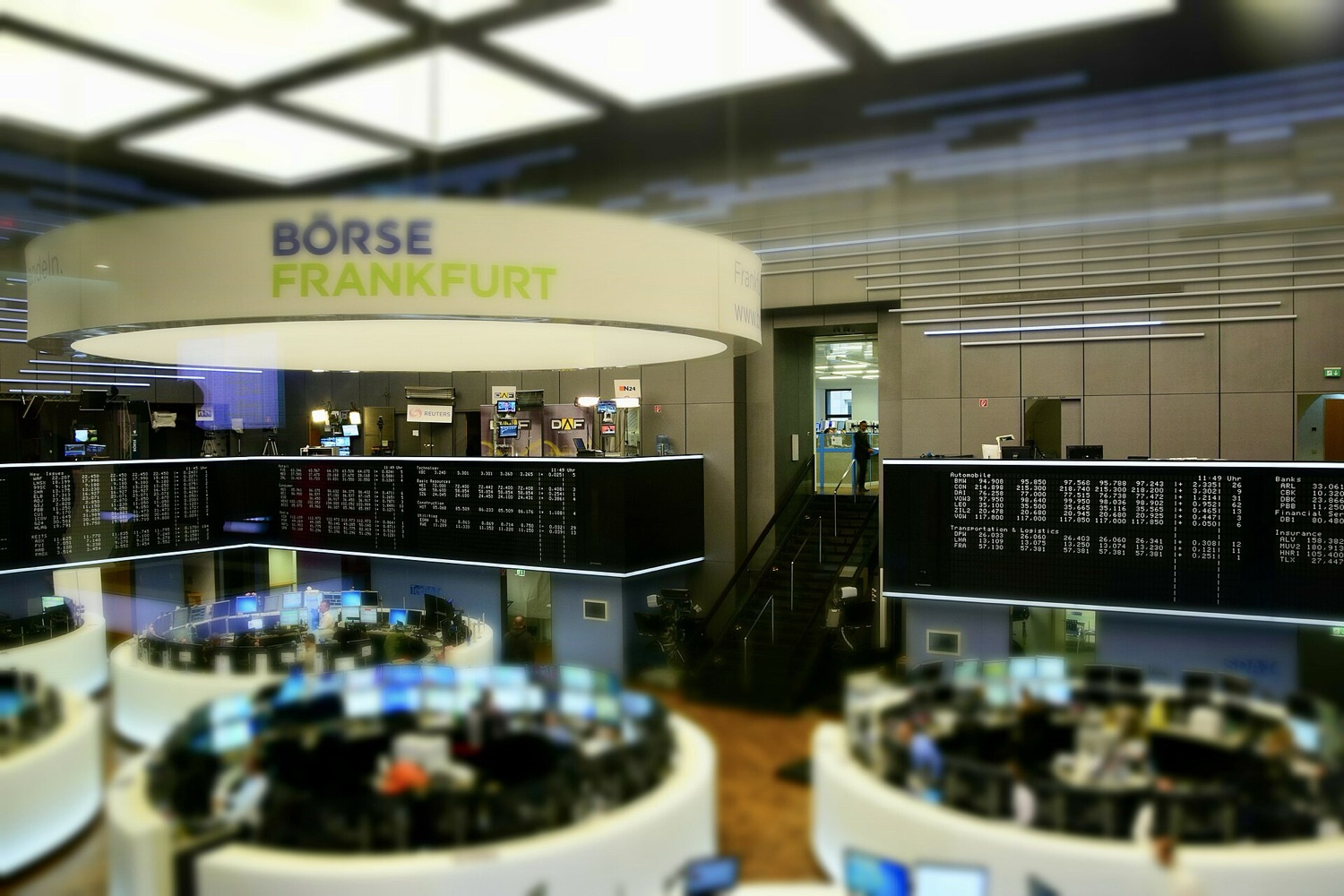
Edward Thorp: from blackjack to hedge funds
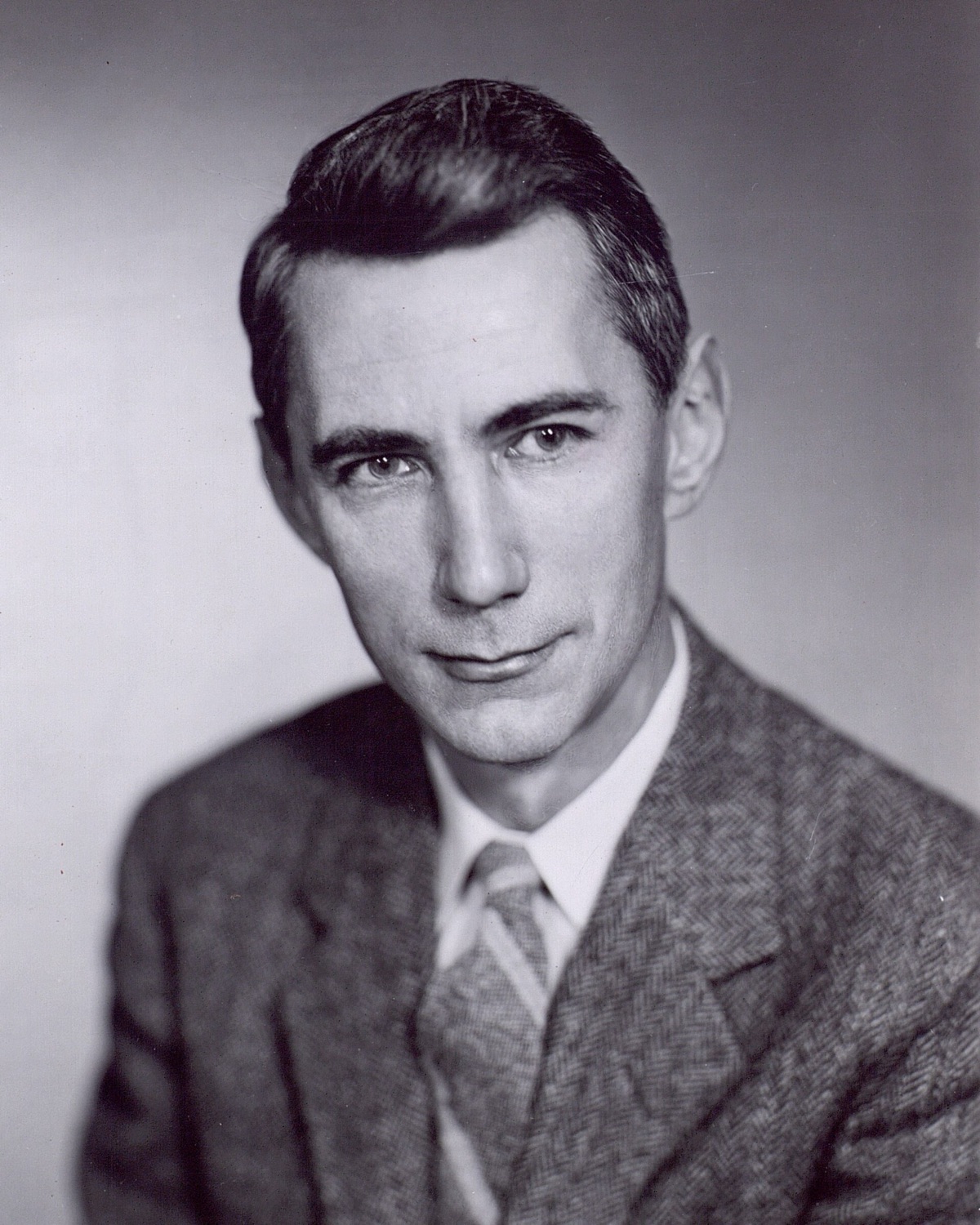
Edward Thorp, a mathematics professor, proved that blackjack could be beaten by card counting and published the method in Beat the Dealer in 1962 (we tell that story in the MIT blackjack team). Around the same time he worked with Claude Shannon, the father of information theory, on a small wearable computer designed to predict where a roulette ball would land, which they tested in Las Vegas in 1961. Thorp then turned to a bigger casino: the stock market. With Sheen Kassouf he wrote Beat the Market (1967) on pricing and hedging warrants, and in 1969 he co-founded the investment partnership that became Princeton Newport Partners, one of the earliest quantitative hedge funds. He applied the Kelly criterion, the bet-sizing formula he had used at blackjack, to managing investment risk.
Game theory: the maths of strategy
John von Neumann and Oskar Morgenstern founded modern game theory with their 1944 book Theory of Games and Economic Behavior, inspired partly by poker and bluffing. John Nash extended it with the equilibrium concept that later earned him a share of the 1994 Nobel Memorial Prize in Economic Sciences. Today game theory shapes auction design, pricing, negotiation, cybersecurity and the poker-playing computer programs that beat professionals (see poker on campus).
Careers that use gambling maths
| Career | What you do | Casino maths you use |
|---|---|---|
| Quantitative trader | Make markets and take positions using models | Expected value, pricing edges, bet sizing, risk of ruin |
| Quantitative researcher | Find statistical patterns in market data | Probability, statistics, hypothesis testing |
| Data scientist | Build predictive models for businesses | Probability, variance, sample size, A/B testing |
| Sportsbook trader or odds compiler | Set and adjust betting prices | Implied probability, overround, risk balancing |
| Sports analyst | Use data to evaluate players and tactics for teams and media | Expected-value metrics, simulation |
| Actuary | Price insurance and pensions | Expected loss, the law of large numbers |
| Game mathematician | Design casino and slot games with set returns and volatility | House edge, return to player, variance |
Poker and betting games in the interview room
Some trading firms are known for using games to teach and test new hires. Susquehanna International Group, founded by a group of former poker players, has long been associated with teaching poker in its trainee programme, and firms including Jane Street are widely reported to use probability puzzles and betting-style market-making games in interviews. The point is not gambling; it is training people to make fast decisions under uncertainty, size their risk sensibly and update their views as new information arrives.
Typical interview questions
- "I roll a fair die and pay you the number shown in dollars. What would you pay to play?" (Expected value: $3.50.)
- "You can reroll once if you don't like the first result. Now what is the game worth?" (Keep 4, 5 or 6, reroll otherwise: $4.25.)
- "Make me a market on the number of countries in Africa." (Testing estimation, confidence and the width of your spread.)
What to study
- Mathematics: probability, statistics, linear algebra and calculus.
- Programming: Python first; C++ for some trading roles.
- Economics: game theory and microeconomics.
- Practice: probability puzzle books, data competitions, and analysing sports or market data for a portfolio. A strategy-focused poker club is useful practice in decision-making too.
A growing field
Legal sports betting across most US states, the growth of prediction markets in the mid-2020s, and the expansion of data science in every industry have all created demand for people who think in probabilities. Sportsbooks hire traders, data scientists and risk analysts; teams hire analysts; banks and funds hire quants. The common thread is the one Thorp spotted more than sixty years ago: understand the edge, size the bet, respect the variance.
Starting out? See our Career section and the house edge explainer that underpins it all.